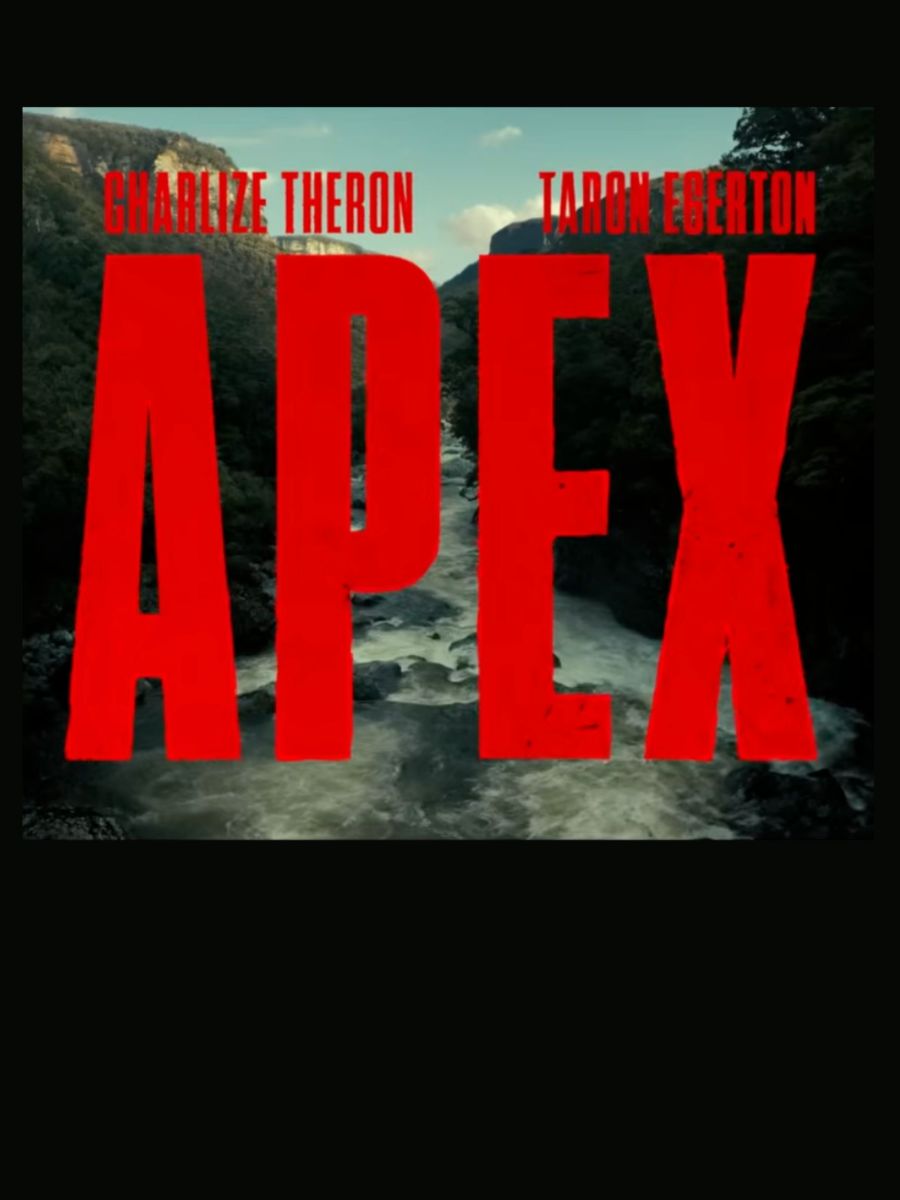
Quick Synopsis: Mourning the death of her partner, Sasha travels around the Outback, finding herself being hunted by Ben, a cannibalistic serial killer.
Four years ago, I reviewed Beast, another film by Baltasar Kormákur that was about someone being hunted in a landscape. In that review, I specifically mentioned how great it looked, and how great a cinema experience it was. So I was sceptical that this was released straight to Netflix, doesn’t exactly fill me with confidence. I mean, it still looks pretty. But that might be due to the landscape doing half the work for him.
I need to open this review by talking about Australian actors. I mean, they must exist otherwise Home and Away wouldn’t have lasted as long as it did, so why cast a Welsh actor to play Ben? To be fair, they do touch on it, making it clear he wasn’t born there. But he tries an accent for most of it, so he’s supposed to be, at the very least, naturalised. It almost feels like the “You’re not from here, are you?” line was added after someone noticed the accent slipping. The only way it works is if it’s his gimmick, that he’s overexaggerating his Australian nature as part of his “public persona” for some reason, I dunno, because it’s “crazy” and wacky? That would suit the rest of his character. He is definitely supposed to be crazy. But it doesn’t work. It’s like the character isn’t sure if he’s supposed to be Heath Ledgers Joker, or the villain from a 90’s Saturday morning kids cartoon, and not even a good one. Every scene has him narratively screaming, “Look at how crazy I am!” rather than simply letting him be frightening. It’s annoying and kind of distracting, feeling like the character itself is going overboard, rather than the actor. The best screen killers don’t need to constantly advertise their insanity. Michael Myers barely emotes. Anton Chigurh speaks almost conversationally. Even Mick Taylor (watching the Kill Count video for Wolf Creek as I write this), another Australian outback killer, is terrifying because he feels like someone who could actually exist. The villain in Apex feels like someone doing an impression of what a movie psychopath is supposed to look like.
That’s not the only thing harming him as a character. For a serial killer, he doesn’t do much killing. Two people (I think) died in this movie; both died in the exact same way, killed by the protagonist. The antagonist apparently has a history of murdering people, but the audience barely gets to see him do it. We’re told he’s dangerous, but storytelling generally works better when you show these things. By the end, gravity has claimed more victims than the serial killer.
That’s a problem.
It’s like making a Friday The 13th movie where everyone dies in a bus crash. Eventually you stop worrying about the villain and start keeping an eye on the terrain. There’s an obvious rewrite staring the film in the face. Make him an Outback tour guide. It’s perfect. Tourists trust him. He knows the landscape better than anyone else. He can separate people from the group without raising suspicion. Better still, we get to see him operating before the protagonist becomes his target. We understand why he’s dangerous because we’ve watched him be dangerous. So, when he meets someone who refuses to become another victim, we’ve already bought into him as a threat.
Instead, the film spends most of its running time trapped in a hostage scenario rather than delivering the hunt it advertises. The premise promises a predator tracking prey across the Australian wilderness. What we actually get is people being stuck somewhere while the plot periodically remembers there’s supposed to be danger involved.
This is a shame, because buried under the clichés is a genuinely interesting premise. Imagine spending your life preying on easy victims, only to discover this one keeps surviving everything you throw at them. The hunter slowly becomes frustrated. The prey grows more confident. Suddenly the balance of power shifts. That’s a film. Instead, Apex never really commits to that dynamic. Scenes happen, and large stretches of the film simply wash over you. Rather than a tense game of cat and mouse, it often feels like everyone is just waiting for the next location. Also, because the cast is so small, narrative convention tells you neither character is going anywhere until the climax.
The result is a thriller that never quite finds its pulse. It’s never aggressively bad. It’s too well-shot for that, and the scenery genuinely is spectacular. But almost every interesting idea feels like it’s sitting in the draft immediately underneath the one that got filmed.
You can see the better version peeking through the cracks. But I don’t want to spend my time peering at cracks, I risk getting put on a list for that.

