
Captain America: Brave New World
Ups: Answers questions about the previous films.
Feels like part of the universe.
Fun.
Interesting characters.
Develops the wider story.
Downs: Feels more like a Hulk movie.
Suicidally self-destructive marketing campaign.
The continuity lock-out is strong
Best Performer: Carl Lumbly
Best Moment: The original assassination attempt.
Worst Moment: The reveal of Sterns. Have they forgotten how long its been since we’ve seen that character?
Opening: “Heroes break into a building”. Kind of standard at this point. Reminded me of Age Of Ultron.
Closing: Liv Tyler comes back. And the crowd goes mild
Best Line: Steve gave them something to believe in, you give them something to aspire to
Original review here
Good Boy
Ups: Tense
Good central performance.
Downs: Difficult to see it reaching mass appeal
Lack of a traditional exposition device may put some off.
Best Performer: Indy
Best Moment: Todd telling Indy goodbye. Very sweet.
Worst Moment: When the film flat-out says the house is actually haunted. May have worked better if it were ambiguous.
Opening: Todd moves into a cabin. Sets up that he’s ill very quickly.
Closing: Todd dies, and Vera comes to find Indy sitting on his own.
Best Line: You’re a good dog. No. Boy, you can’t save me. You gotta stay here.
Original review here
Good Fortune
Ups: Keanu Reeves is great.
Depressingly relevant.
Very funny.
Downs: Has all the bite of a gummy worm.
Perpetuates the idea that poverty is a moral failing.
Best Performer: Keanu Reeves
Best Moment: Arj inspiring the walkout.
Worst Moment: The way Arj gets fired. Makes him unsympathetic.
Opening: A day in the life of Arj. You can see why he’s exhausted.
Closing: An invisible taco gets eaten. Jeff supports workers rights. All very sweet.
Best Line: I wanted to show him that money wouldn’t solve his problems, but it pretty much solved all his problems.
Original review here
Karate Kid: Legends
Ups: Charming.
Fantastic chemistry between the characters.
Use of music really makes you feel like you’re in New York.
Doesn’t require previous knowledge of the franchise.
Downs: The two leads are paired together too quickly.
Repeats the first movie (at least) too often.
Best Performer: Ben Wang.
Best Moment: Mr. Han and Daniel showing off, repeatedly throwing Li onto the floor.
Worst Moment: The group fight. It should be better.
Opening: Flashback to a previous movie, explaining how the two timelines connect.
Closing: Daniel and Johnny Lawrence discuss opening a pizza place. The only part of the movie which requires previous knowledge.
Best Line: In life, you only have one question. Is it worth fighting for?
Original review here
Mickey17
Ups: Intelligent.
Great performances.
Sorely needed right now.
Kind of sweet.
Very funny.
Downs: Until it suddenly isn’t.
Repeats itself.
Slow. So very slow.
Best Performer: Pattinson
Best Moment: The dinner. Marvellous misdirection.
Worst Moment: The dream sequence near the end.
Opening: We see Mickey die. Then a quick explanation of how he got where he is.
Closing: The cloning machine is destroyed. Before that there’s a dream sequence that grinds momentum to a halt.
Best Line: I’m still good meat! I’m perfectly good meat! I taste fine!
Original review here
Nuremberg
Ups: Tense.
Very educational.
“People who are evil are still people” is an important lesson. That doesn’t diminish how scary they are, if anything it increases it.
Demonstrates exactly why the case was so important.
Downs: The lead performance.
Misses its mark on teaching you more about the other people involved.
Best Performer: Leo Woodall
Best Moment: When Triest reveals his personal history. Sums up the main thesis of the film.
Worst Moment: How the trial ends; feels kind of underwhelming.
Opening: Hermann the German is stopped by US forces. Sets up his sense of entitlement.
Closing: Text saying what happened to everybody. It’s not a happy ending.
Best Line: I am a prisoner because you won and we lost, not because you are morally superior
Original review here
One Of Them Days
Ups: Funny.
Pacey.
Characters (mostly) feel real
Downs: Occasionally, it feels like it’s moving from one skit to the next, rather than a cohesive narrative.
King Lolo doesn’t loom over everything like he should. Compare him to Deebo from the first Friday movie.
A few too many instances of Karma Houdinis.
Best Performer: Keke Palmer
Best Moment: Hmmm, possibly the section at the pay-day loan company. The blood bank scene is up there, but the reality and satirical nature of the loan company just edges it.
Worst Moment: The “break up”. Only because it feels forced.
Opening: Dreux finishes up at work. Shows us exactly how damn good she is at her job, plus demonstrates the relationship between her and Alyssa
Closing: Their rent gets paid and everything goes back to how it was, just without the threat. Yup, pretty much Friday.
Original review here
Relay
Ups: Tense
Nice use of the telecommunications device.
Low on action, in a good way. Characters like this should not be action heroes, their goal is mainly to incapacitate people until they can leave.
Downs: The villain’s plan depends on so many coincidences.
Lily James’ character repeats her motivations in two scenes very close to each other.
Best Performer: Riz Ahmed
Best Moment: Ash’s drinking reveal. Makes so much sense.
Worst Moment: The twist. Too stupid. Adds zero.
Opening: Hoffman hands back some incriminating documents he has. Plays into the ending, which is nice.
Closing: The massive company is legally reprimanded. Bit unrealistic.
Original review here
Spinal Tap 2
Ups: Very funny.
Characters feel like they exist outside of the film.
Downs: Doesn’t establish how well-known they are.
Some jokes don’t feel followed up on.
Best Performer: Christopher Guest
Best Moment: Simon’s reaction to Elton John “do we need the piano?”.
Worst Moment: The tour in the kitchen. Mainly because it doesn’t lead anywhere
Opening: Director talks to camera. Nice way of setting up what’s happened, and makes sense in-universe.
Closing: Stonehenge related disaster. And there’s some great stuff in the credits.
Best Line: We need to secure your legacy. If, during the gig one, but no more than two of you, could die.
Original review here
The Accountant 2
Ups: Great buddy movie.
Very sweet.
Always fun to see people be very competent.
Downs: Bland McGuffin.
Best Performer: I know I should say Affleck, but really I liked Allison Robertson more. I found her so warm.
Best Moment: The army of autistic teens finding out someones identity from a strangers selfie.
Worst Moment: The opening. Mainly because it’s not needed, and doesn’t fit the tone.
Opening: Death of Raymond King. Bland. Could be in any movie, not needed for this one.
Closing: The brothers go on a trip. Very sweet.
Best Line: The fall didn’t kill him. It was the abrupt stop.
Original review here
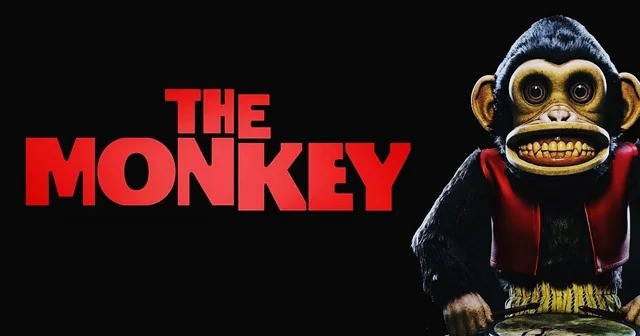
The Monkey
Ups: Bloody
Fun
Goes deeper with family dynamics than you’d think it would.
Good performances.
Downs: Some weird moments.
There doesn’t seem to be much reaction to the carnage. The characters seem very aware that they’re in a movie, so treat death with not much reverence.
Best Performer: Theo James.
Best Moment: Uncle Chips death.
Worst Moment: Probably Aunt Ida’s death, only because there’s a moment in it that it only happens because the character is an idiot.
Opening: The twins father attempts to return The Monkey. The Monkey has other ideas and decides to harpoon the shopkeeper instead. Fun, bloody, sells the concept well. Could have been called back to later though.
Closing: A bus of cheerleaders die. Funny, but needless and a bit TOO stupid.
Best Line: Everybody dies. Some of us peacefully and in our sleep, and some of us… horribly. And that’s life
Original review here
The Thursday Murder Club
Ups: Charming.
Good mystery.
Downs: Feels dated
A little bit boomer
Side characters aren’t developed enough.
The “ah-ha” moment doesn’t really work.
Best Performer: Pierce Brosnan
Best Moment: How they get Jason out of prison.
Worst Moment: The moment in the florists feels like a diversion.
Opening: Black and white flashback of a murder. Very noire. The Murder Club are discussing it.
Closing: They solve an earlier murder, but by doing so, are responsible for the death of another resident.
Original review here.
The Ugly Stepsister
Ups: Nice perspective on overlooked character.
Disgustingly brutal.
Lead actress is a great screamer.
Downs: Difficult to care about at times.
The other sister could have been fleshed out more.
Best Performer: Lea Myren. But Thea Sofie Loch Ness is close, and definitely wins the “best name” award.
Best Moment: The toes being chopped off. Dark, but kind of funny.
Worst Moment: Tapeworm, looks too silly to be serious.
Opening: An imagine spot of her meeting her prince, feels very much like a standard fairy tale/period drama. I like that, it lures you into false sense of security.
Closing: Happy ending for everyone involved; the cinderella expy gets her prince, the two stepsisters get their freedom, and the mother gets a mouthful of spunk from a party-goer.
Best Line: “You’ve cut the wrong foot”
Original review here
Thunderbolts
Ups: Actual emotion.
I will always love seeing Geraldine Viswananathan and Julia Louis-Dreyfus on screen.
Downs: Much like Netflix, it needs more Taskmaster.
The continuity lockout is getting insane.
Doesn’t juggle the characters that well. Ghost, in particular, is so underutilised that she’s only mentioned 4 times in the entire plot section on Wikipedia, and three of those are just “she’s part of this group”.
Best Performer: Wyatt Russell
Best Moment: The fight in the void.
Worst Moment: When the kid “dies”. Mainly because it reveals that the people shadowed away to oblivion weren’t actually dead, there’s no way Disney/Marvel would kill a young child in that manner.
Opening: Yelena destroys a facility. There is also a moment before that where she has the cliche “I always thought….” style narration
Closing: The group are officially titled the New Avengers. Feels slightly forced.
Best Line: The most shameful thing of all was thinking that you could be anything more than nothing.
Original review here
Weapons
Ups: Interesting story
Good performances.
Downs: The way the narrative told does mean that it occasionally feels like it’s stuttering instead of flowing.
The town doesn’t feel real.
Best Performer: Amy Madigan
Best Moment: Marcus killing his partner. The first time we truly see the power the witch has.
Worst Moment: Donna attacking Justine. Felt like it was purely there for a Lewton bus.
Opening: Narration over a blank screen. Not off to a good start.
Closing: More narration.
Best Line: I can make your parents hurt themselves. I can make them hurt each other. I can make them eat each other if I want to. Do I want to, Alex?
Original review here






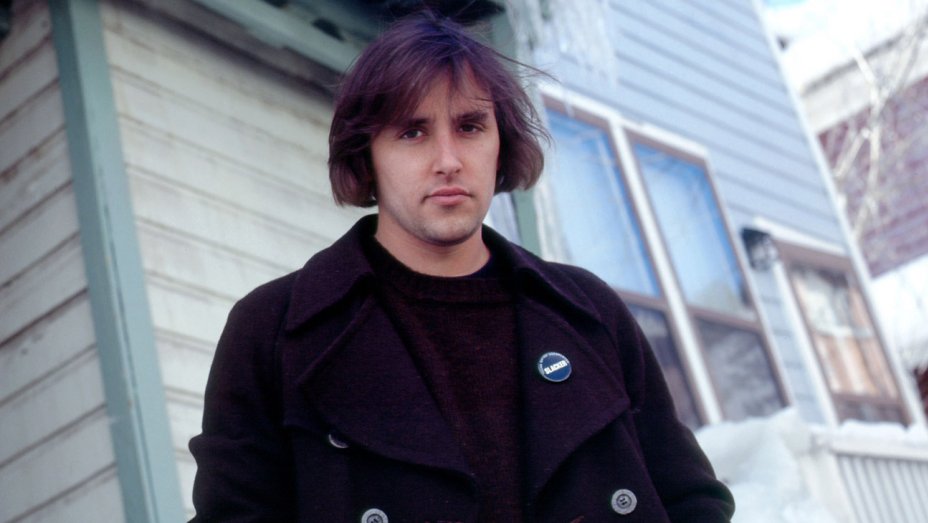


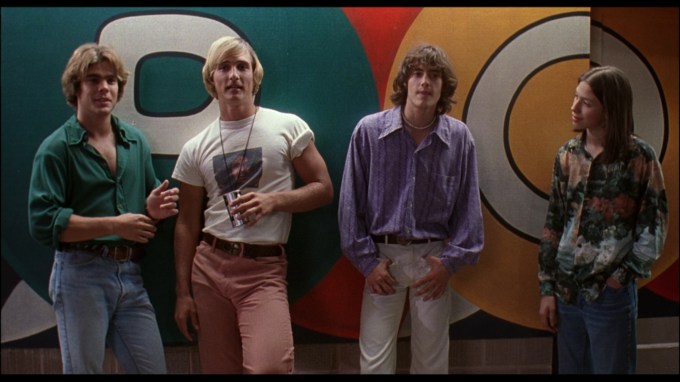
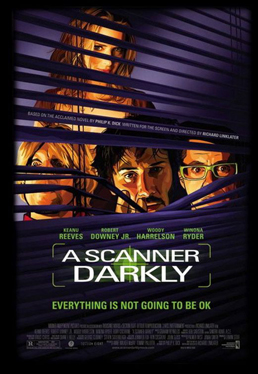 Richard Linklater and animated dystopian science-fiction; not a combination even the stoners from Dazed and Confused would think of, let alone guess it would be one of the highlights of the genre; but this list is titled thus for a reason. Adapted from Phillip K Dicks novel, it depicts a group of drug addicts, formed of Robert Downy Jr, Woody Harrelson, and led
  by undercover cop Keanu Reeves in a totalitarian America, where the only thing they have more of than drugs is cameras: Big Brother is always watching. Linklater sticks very close to the text, adapting the films dark themes of drug abuse just as effectively as its constant bursts of dark and surreal humour. But what really makes this film something else, is that its rotoscoped (animation done over live-action footage), a style that not only makes it timeless, but adds a toxic physicality to the labyrinth of confusion and paranoia the story revels in; capturing imagery from the material like no live-action film ever could.
 A 30’s set period dramedy, a love letter to the stage (which clearly inspires Linklater’s writing, though ironically he didn’t write this), and a personal favourite of mine: I find this film is unfairly overlooked as a Zac Effron vehicle (who fits the period like an old glove), as at the time he was in the heights of his High School Musical fame. But in actuality it’s a genuine showcase of his talents, as it is a delightfully charming and fascinating film that looks at the friendship between a young man with theatre dreams and a pre-Citizen Cane Orson Welles, as he and his famous Mercury troop put on their career making performance of Shakespear’s Julius Caesar.
 Filmed over twelve years, from May 2002 to October 2013 (almost my own exact adolescence), using the same cast, Boyhood follows a boy and his broken family through his life, on their journeys to adulthood and everything else.

 Troubled Productions